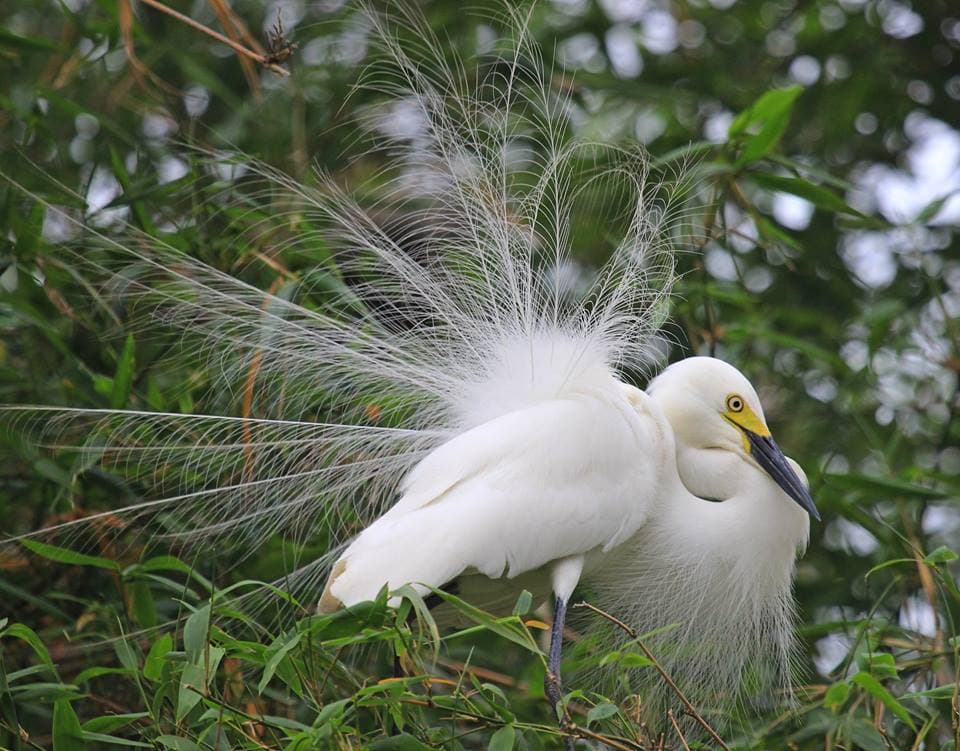
Bird Watching in Chitwan
Activity Details
chitwan
Discover Chitwan's Feathered Wonders
Chitwan National Park is a bird-watcher's paradise, home to over 500 bird species. From colorful kingfishers and majestic storks to rare and endemic species, Chitwan offers exceptional bird-watching opportunities for both beginners and experienced birders.
Why Bird Watch in Chitwan?
Chitwan provides:
- Species Diversity: Over 500 bird species recorded
- Habitat Variety: Grasslands, forests, wetlands, rivers
- Rare Species: Including endangered and endemic birds
- Year-Round Activity: Birds present in all seasons
- Expert Guides: Knowledgeable birding guides
- Accessibility: Easy access to prime birding areas
Bird Species to Spot
Common Species
Frequently seen birds include:
- Kingfishers: Common, White-throated, Pied Kingfisher
- Egrets: Great, Little, Cattle Egret
- Herons: Grey, Purple, Night Heron
- Cormorants: Indian, Little Cormorant
- Ducks: Various duck species
- Storks: Painted, Woolly-necked, Black-necked Stork
Raptors and Birds of Prey
- Eagles: Crested Serpent Eagle, Changeable Hawk-Eagle
- Vultures: White-rumped, Slender-billed Vulture
- Owls: Brown Fish Owl, Collared Scops Owl
- Kites: Black, Brahminy Kite
Forest Birds
- Hornbills: Great Hornbill (rare but present)
- Woodpeckers: Various species
- Barbets: Coppersmith, Blue-throated Barbet
- Parakeets: Rose-ringed, Plum-headed Parakeet
Rare and Special Species
- Bengal Florican: Endangered grassland bird
- Lesser Adjutant: Large stork species
- Sarus Crane: Tallest flying bird
- White-rumped Vulture: Critically endangered
Best Bird-Watching Locations
Rapti River
- Riverbanks: Excellent for water birds
- Canoe Rides: Best way to access river birds
- Early Morning: Most active birdlife
- Diverse Species: Water birds, kingfishers, storks
Grasslands
- Open Areas: Grassland specialists
- Bengal Florican: Endangered grassland species
- Various Larks: Grassland birds
- Raptors: Hunting birds of prey
Forest Areas
- Dense Vegetation: Forest bird species
- Various Habitats: Different forest types
- Specialized Birds: Forest-dwelling species
- Walking Trails: Access through guided walks
Wetlands and Marshes
- Water Bodies: Wetland specialists
- Wading Birds: Egrets, herons, storks
- Ducks: Various duck species
- Migrant Birds: Seasonal visitors
Best Time for Bird Watching
Seasonal Timing
- Winter (Dec-Feb): Migrant birds arrive, excellent diversity
- Spring (Mar-May): Breeding season, active behavior
- Monsoon (Jun-Sep): Resident birds, lush vegetation
- Autumn (Oct-Nov): Post-monsoon, good conditions
Daily Timing
- Early Morning: Most active (6-9 AM)
- Late Afternoon: Another active period (4-6 PM)
- Midday: Less activity but still opportunities
Bird-Watching Tours
Half-Day Tours (3-4 hours)
- Focused Birding: Dedicated bird-watching
- Expert Guide: Knowledgeable birding specialist
- Multiple Habitats: Various ecosystem types
- Good for All Levels: Suitable for beginners to experts
Full-Day Tours (6-8 hours)
- Comprehensive: Extensive bird-watching
- Maximum Species: Best chance for many species
- Specialized Focus: Target specific birds
- Photography: Extended photo opportunities
Specialized Tours
- Rare Species: Focus on endangered birds
- Photography Tours: Optimized for bird photography
- Beginner Tours: Introduction to birding
- River Birding: Canoe-based bird watching
Equipment and Gear
Essential Equipment
- Binoculars: Essential for bird identification
- Field Guide: Bird identification book
- Camera: With telephoto lens for photos
- Notebook: Record sightings
Recommended Gear
- Telephoto Lens: For bird photography
- Spotting Scope: For distant birds
- Bird App: Digital field guide
- Checklist: Track species seen
What to Bring
- Comfortable Clothes: Neutral colors, long sleeves
- Sturdy Shoes: For walking trails
- Sun Protection: Hat, sunscreen
- Insect Repellent: For forest and wetland areas
- Water: Stay hydrated
- Snacks: Energy for long sessions
Photography Tips
Best Practices
- Telephoto Lens: Essential for bird photos
- Fast Shutter: Capture moving birds
- Patience: Wait for good opportunities
- Light Conditions: Early morning best
- Ethical Photography: Don't disturb birds
Techniques
- Blend In: Use natural cover
- Quiet Movement: Minimize noise
- Observation: Study behavior first
- Multiple Shots: Take many photos
Guide Expertise
Professional birding guides provide:
- Species Identification: Name all birds seen
- Behavior Knowledge: Understand bird habits
- Habitat Understanding: Know where to find birds
- Conservation: Share conservation information
- Photography Tips: Help with bird photos
Combining Activities
Enhance your Chitwan experience:
- Canoe Ride: Excellent for river bird watching
- Jungle Walk: Forest bird species
- Elephant Safari: Different perspective
- General Wildlife: See mammals too
Conservation and Ethics
Responsible Birding
- Respect Wildlife: Maintain distance from birds
- No Disturbance: Don't disrupt nesting
- Stay on Trails: Protect habitats
- Support Conservation: Choose eco-friendly operators
- Education: Learn about conservation efforts
Practical Information
Getting Started
- No Experience Needed: Suitable for all levels
- Guided Tours: Recommended for best experience
- Package Deals: Often included in lodge packages
- Independent Birding: Possible with proper permits
Accommodation
Stay at:
- Bird-Friendly Lodges: Knowledgeable staff
- Riverfront Resorts: Access to river birds
- Jungle Lodges: Forest bird access
- Eco-Resorts: Conservation-focused
Recording Your Sightings
Keep a Checklist
- Species List: Record all birds seen
- Date and Location: Note where and when
- Behavior Notes: Interesting observations
- Photos: Document sightings
- Share Data: Contribute to citizen science
Conclusion
Bird watching in Chitwan National Park offers an incredible opportunity to observe over 500 bird species in diverse habitats. From colorful kingfishers along the Rapti River to rare grassland specialists and majestic storks, Chitwan provides world-class birding for enthusiasts of all levels. Whether you're a seasoned birder or new to bird watching, Chitwan's feathered residents will captivate and inspire. Grab your binoculars and discover the avian wonders of Chitwan!