Jungle Walk in Chitwan
Activity Details
chitwan
Walk on the Wild Side
Experience Chitwan National Park at ground level with a guided jungle walk—an intimate and thrilling way to explore the park's diverse ecosystems, observe wildlife up close, and learn about the jungle's intricate ecosystem from expert naturalist guides.
Why Choose a Jungle Walk?
Jungle walks provide:
- Intimate Experience: Close connection with nature
- Detailed Observation: Notice small details and tracks
- Educational: Learn about jungle ecology
- Adventure: Exciting and immersive experience
- Flexibility: Can stop and explore interesting spots
- Photography: Ground-level photo opportunities
Types of Jungle Walks
Short Walks (2-3 hours)
- Buffer Zone: Areas around park boundaries
- Wildlife Observation: Look for animals and tracks
- Nature Education: Learn about plants and animals
- Suitable For: All fitness levels
Half-Day Walks (4-5 hours)
- Deeper Exploration: Venture further into park
- Multiple Habitats: Various ecosystem types
- Better Wildlife Chances: More time increases sightings
- Moderate Fitness: Requires reasonable fitness
Full-Day Walks (6-8 hours)
- Comprehensive Experience: Extensive park exploration
- Remote Areas: Less-visited park regions
- Maximum Wildlife Opportunities: Best chance for sightings
- Good Fitness Required: Demanding but rewarding
Wildlife You Might Encounter
Common Sightings
- Deer: Spotted deer, barking deer
- Monkeys: Rhesus macaques, langurs
- Wild Boar: Frequently seen
- Birds: Hundreds of species
- Reptiles: Various snakes and lizards
Tracks and Signs
Even without direct sightings:
- Animal Tracks: Identify different species
- Scat: Learn about animal diets
- Scratch Marks: Tiger or bear markings
- Nests: Bird and animal nests
- Feeding Signs: Evidence of animal activity
Rare Encounters
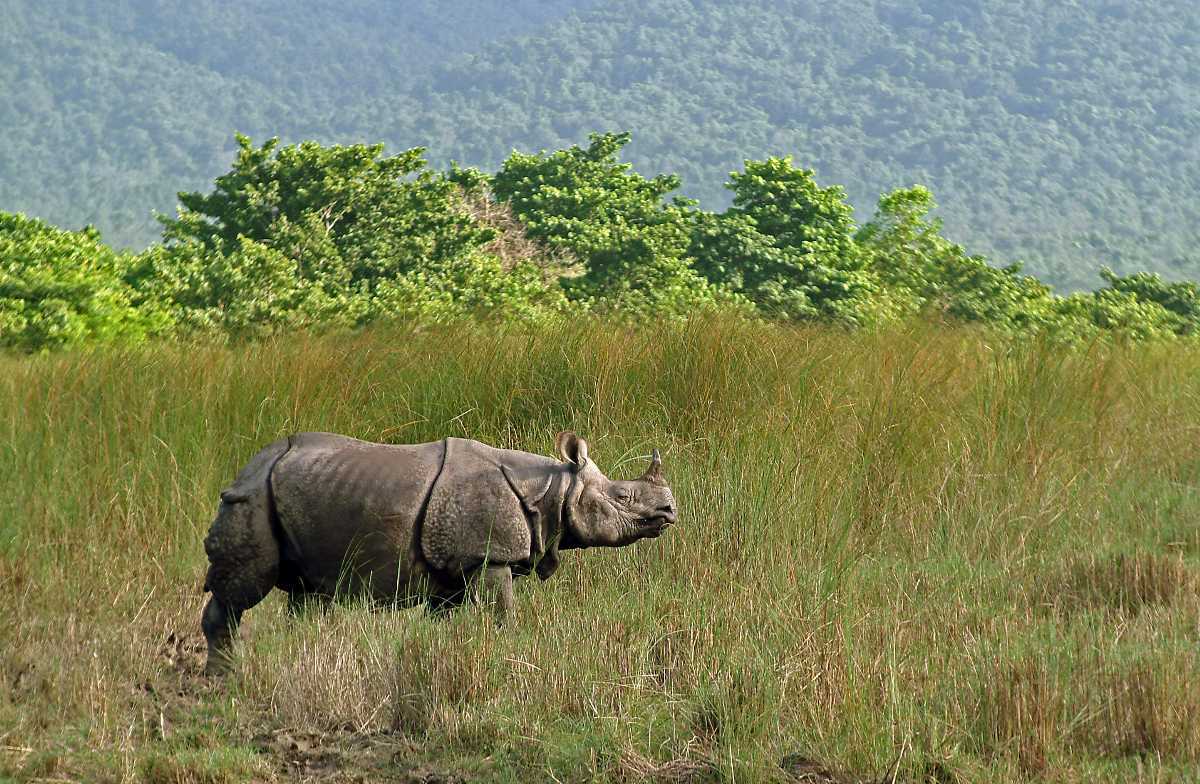
- One-Horned Rhino: Possible but not guaranteed
- Bengal Tiger: Extremely rare but possible
- Leopard: Very elusive
- Sloth Bear: Occasionally encountered
Safety and Guidelines
Essential Safety
- Guide Required: Always walk with experienced guide
- Stay Together: Remain with group at all times
- Follow Instructions: Listen to guide's directions
- Alert Behavior: Be aware of surroundings
- Emergency Protocols: Understand safety procedures
Guide Expertise
Professional guides provide:
- Wildlife Knowledge: Identify animals and behavior
- Safety: Keep group safe from danger
- Education: Teach about jungle ecology
- Navigation: Know park trails and routes
- Emergency Response: Trained for emergencies
What to Bring
Essential Gear
- Sturdy Boots: Good grip, ankle support
- Long Pants: Protection from vegetation
- Long Sleeves: Protect from insects and sun
- Water: Stay hydrated
- Binoculars: For wildlife observation
Additional Items
- Camera with zoom lens
- Insect repellent
- Sunscreen and hat
- First aid basics
- Cash for tips
Best Time for Walks
Optimal Conditions
- Early Morning: Active wildlife, pleasant temperatures
- Late Afternoon: Another good time for activity
- Dry Season: October to April (best conditions)
- Clear Weather: Avoid monsoon if possible
Seasonal Considerations
- Winter (Dec-Feb): Cool, clear, excellent visibility
- Spring (Mar-May): Pleasant, good conditions
- Monsoon (Jun-Sep): Wet, challenging but lush
- Post-Monsoon (Oct-Nov): Best overall conditions
Walking Routes
Buffer Zone Routes
- Safer Areas: Less dangerous wildlife
- Good for Beginners: Suitable introduction
- Wildlife Still Present: Good spotting opportunities
- Shorter Duration: 2-3 hour options
Park Interior Routes
- Deeper Exploration: More remote areas
- Better Wildlife: Higher chances of sightings
- Experienced Guides: More expertise required
- Longer Duration: Full-day options
What You'll Learn
Natural History
- Animal Behavior: Understanding wildlife patterns
- Plant Identification: Native flora
- Ecosystems: How habitats function
- Conservation: Park protection efforts
Tracking Skills
- Animal Tracks: Identify different species
- Sign Reading: Understand animal signs
- Behavior Clues: Interpret animal activity
- Safety Awareness: Recognize potential dangers
Photography Opportunities
Best Shots
- Wildlife: If lucky, direct animal photos
- Tracks and Signs: Evidence of animal presence
- Landscapes: Jungle scenery
- Plants: Interesting flora
- Birds: Abundant birdlife
Tips
- Telephoto Lens: Essential for wildlife
- Patience: Wait for good opportunities
- Respect: Don't disturb animals
- Light: Early morning best for photos
Physical Requirements
Fitness Level
- Moderate Fitness: Generally required
- Walking Ability: Comfortable walking 2-8 hours
- Uneven Terrain: Ability to navigate trails
- Stamina: Endurance for longer walks
Health Considerations
- Medical Conditions: Inform guides of concerns
- Age Restrictions: May apply for longer walks
- Mobility: Some routes require good mobility
Combining Activities
Enhance your Chitwan experience:
- Elephant Safari: Different perspective
- Canoe Ride: River wildlife viewing
- Bird Watching: Dedicated birding
- Cultural Shows: Tharu performances
- Jeep Safari: Vehicle-based exploration
Park Regulations
Important Rules
- Guide Required: Mandatory for park walks
- Stay on Trails: Don't wander off paths
- No Littering: Leave no trace
- Respect Wildlife: Maintain distance
- Park Permits: Required for all activities
Accommodation
Stay nearby:
- Jungle Resorts: Inside or near park
- Sauraha: Main tourist area
- Lodge Packages: Include multiple activities
- Budget to Luxury: Various options available
Conclusion
A jungle walk in Chitwan National Park offers an authentic, ground-level experience of Nepal's premier wildlife sanctuary. Walking through the jungle with an expert guide provides intimate encounters with nature, detailed wildlife observation, and deep insights into the park's ecosystem. Whether you spot rhinos, track tigers, or simply enjoy the jungle's atmosphere, a guided walk creates unforgettable memories of Chitwan's wild beauty. Lace up your boots and step into the jungle!