Wildlife Photography in Chitwan
Activity Details
chitwan
Capture Chitwan's Wildlife Through Your Lens
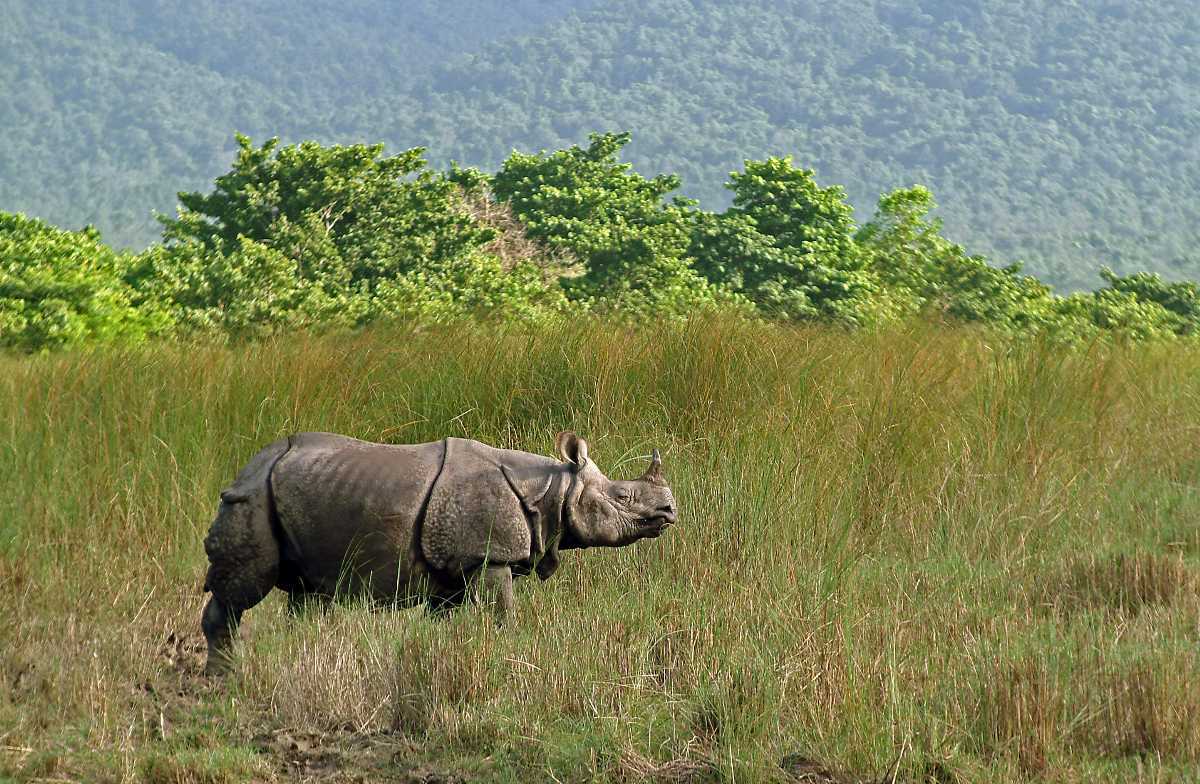
Chitwan National Park offers exceptional wildlife photography opportunities, from the iconic one-horned rhinoceros to elusive Bengal tigers, diverse birdlife, and stunning natural landscapes. Whether you're a professional photographer or passionate amateur, Chitwan provides countless opportunities to capture Nepal's incredible biodiversity.
Why Photograph in Chitwan?
Chitwan offers:
- Diverse Wildlife: Mammals, birds, reptiles
- Iconic Species: Rhinos, tigers, elephants
- Beautiful Landscapes: Jungle, grassland, river scenes
- Accessible Locations: Various safari options
- Professional Opportunities: World-class photography
- Year-Round Subjects: Different seasons, different opportunities
Key Photography Subjects
Mammals
- One-Horned Rhinoceros: Chitwan's signature animal
- Bengal Tigers: Elusive but possible
- Asian Elephants: Wild and domestic
- Spotted Deer: Common and photogenic
- Wild Boar: Frequently seen
- Monkeys: Various species
Birds
Over 500 species including:
- Kingfishers: Colorful water birds
- Storks: Large wading birds
- Eagles: Majestic raptors
- Cormorants: Diving birds
- Endangered Species: Rare birds
Landscapes
- Grasslands: Golden hour scenes
- Jungle: Dense forest photography
- Rivers: Water and reflection shots
- Sunrises/Sunsets: Dramatic lighting
- Fog: Atmospheric morning conditions
Best Photography Activities
Elephant Safari Photography
- Elevated Perspective: Above tall grass
- Stable Platform: Good for long lenses
- Close Encounters: Access to wildlife
- Early Morning: Best light and activity
Jeep Safari Photography
- Flexibility: Can stop for shots
- Coverage: Access various areas
- Comfort: Equipment-friendly
- Extended Time: Full-day options
Canoe Photography
- River Perspective: Unique angles
- Bird Photography: Excellent for birds
- Reflections: Water mirror effects
- Peaceful: Good for patient photography
Walking Safari Photography
- Ground Level: Intimate perspective
- Details: Close-up opportunities
- Nature Photography: Plants, insects, tracks
- Flexibility: Stop and compose
Photography Tips
Equipment
- Telephoto Lens: Essential (200mm+)
- Wide-Angle: For landscapes
- Fast Lenses: Low-light capability
- Tripod/Monopod: Stability for long lenses
- Extra Batteries: Cold drains batteries
- Memory Cards: Many high-capacity cards
Techniques
- Early Morning: Best light (golden hour)
- Late Afternoon: Another golden hour
- Fast Shutter: Freeze animal movement
- ISO Settings: Adjust for conditions
- Composition: Rule of thirds, leading lines
- Patience: Wait for perfect moments
Settings
- Aperture Priority: Control depth of field
- Shutter Priority: For moving subjects
- Manual Mode: Full control
- High ISO: Acceptable for wildlife
- Burst Mode: Capture action sequences
Best Times for Photography
Seasonal
- Winter (Dec-Feb): Clear skies, good light
- Spring (Mar-May): Pleasant, active wildlife
- Monsoon (Jun-Sep): Lush but challenging
- Autumn (Oct-Nov): Best overall conditions
Daily Timing
- Dawn: 5:30-7:00 AM (best light)
- Sunrise: Golden hour magic
- Late Afternoon: 4:00-6:00 PM
- Sunset: Dramatic evening light
Wildlife Photography Ethics
Responsible Practices
- Maintain Distance: Don't disturb animals
- No Baiting: Ethical photography only
- Respect Habitats: Stay on designated paths
- Guide Instructions: Follow guide's guidance
- Wildlife First: Animals' welfare priority
Guidelines
- Flash: Use appropriately (or not at all)
- Noise: Minimize camera sounds
- Movement: Slow, deliberate movements
- Time Limits: Don't overstay wildlife encounters
Photography Tours
Specialized Tours
- Photo Safaris: Optimized for photography
- Professional Guides: Photography-savvy guides
- Extended Time: More time for shots
- Small Groups: Better access and attention
Workshops
- Instruction: Learn techniques
- Critique: Improve your work
- Equipment Advice: Gear recommendations
- Post-Processing: Editing guidance
Combining Activities
Enhance your photography:
- Multiple Safaris: Different times and methods
- Bird Watching: Dedicated bird photography
- Landscape Tours: Scenic location visits
- Cultural Photography: Local people and culture
Accommodation for Photographers
Photography-Friendly Lodges
- Early Meals: Breakfast before dawn
- Equipment Storage: Secure storage
- Charging Stations: Power for equipment
- Expert Staff: Photography knowledge
Post-Processing
Editing
- RAW Files: Shoot in RAW format
- Software: Lightroom, Photoshop
- Enhancement: Improve without over-processing
- Organization: Catalog your images
Sharing Your Work
Opportunities
- Social Media: Share your captures
- Photography Communities: Connect with others
- Contests: Enter wildlife photo competitions
- Publications: Submit to magazines
Practical Information
Permits
- Park Entry: Required for all activities
- Photography: Generally allowed (commercial may need permits)
- Equipment: No restrictions on personal gear
Safety
- Equipment Protection: Keep gear safe
- Weather: Protect from elements
- Wildlife: Maintain safe distances
- Backup: Protect memory cards and backups
Conclusion
Chitwan National Park provides world-class wildlife photography opportunities for photographers of all levels. From the majestic one-horned rhino to the elusive tiger, diverse birdlife, and stunning landscapes, Chitwan offers endless subjects to capture. With proper preparation, ethical practices, and patience, you'll create stunning images that showcase Nepal's incredible natural heritage. Pack your gear and prepare to capture the wild beauty of Chitwan!