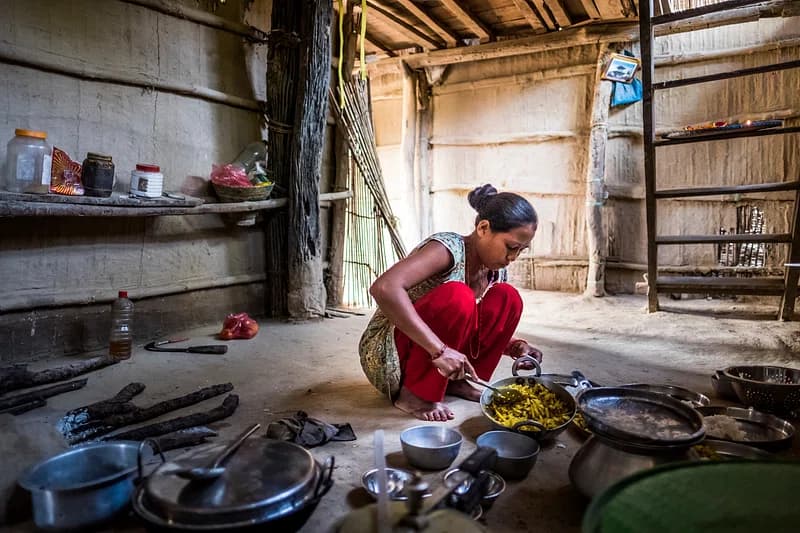
Traditional Nepali Cooking Class
Activity Details
kathmandu
Master the Art of Nepali Cuisine
Immerse yourself in Nepal's rich culinary traditions through a hands-on cooking class in Kathmandu. Learn to prepare authentic Nepali dishes from scratch, using traditional techniques and local ingredients. This experience offers more than just recipes—it's a cultural journey into Nepali food, customs, and hospitality.
Why Take a Cooking Class?
Nepali cooking classes provide:
- Cultural Immersion: Deep understanding of Nepali food culture
- Hands-On Learning: Prepare dishes yourself with expert guidance
- Recipe Collection: Take home authentic recipes to recreate
- Local Ingredients: Learn about spices and traditional ingredients
- Social Experience: Meet fellow travelers and share a meal
- Memorable Experience: Unique activity beyond typical sightseeing
What You'll Learn
Essential Nepali Dishes
Most classes cover fundamental Nepali cuisine:
Dal Bhat (Lentils and Rice)
Nepal's national dish:
- Dal: Lentil soup with spices
- Bhat: Steamed rice
- Tarkari: Vegetable curry
- Achar: Spicy pickle/chutney
- Papad: Crispy lentil wafers
Momos (Dumplings)
Popular street food and favorite snack:
- Dough Preparation: Making the perfect wrapper
- Filling Options: Vegetable, chicken, or buffalo
- Steaming Technique: Traditional cooking method
- Dipping Sauces: Spicy tomato chutney
- Variations: Fried momos, kothey momos
Curry Dishes
Traditional Nepali curries:
- Aloo Tama: Potato and bamboo shoot curry
- Chicken Curry: Spiced chicken preparation
- Vegetable Curries: Seasonal vegetable dishes
- Spice Blends: Understanding masala combinations
Additional Dishes (Depending on Class)
- Sel Roti: Traditional sweet rice bread
- Newari Dishes: Local Kathmandu specialties
- Thukpa: Noodle soup
- Momo Soup: Broth-based momo variation
- Gundruk: Fermented leafy greens
Class Structure
Market Visit (Optional)
Many classes include a market tour:
- Local Market: Traditional vegetable and spice market
- Ingredient Selection: Choosing fresh produce
- Spice Education: Learning about local spices
- Cultural Insights: Understanding food sourcing
- Photo Opportunities: Vibrant market scenes
Hands-On Cooking
The main cooking session:
- Introduction: Welcome and class overview
- Preparation: Washing, chopping, and prep work
- Cooking: Step-by-step dish preparation
- Techniques: Traditional cooking methods
- Spice Management: Balancing flavors and heat
- Presentation: Plating and serving
Meal and Sharing
Enjoy your creations:
- Taste Testing: Sample dishes as you cook
- Final Meal: Sit down to enjoy your meal
- Recipe Cards: Take-home recipe notes
- Cultural Stories: Stories behind the dishes
- Q&A: Ask questions about techniques
Types of Cooking Classes
Half-Day Classes (3-4 hours)
- Learn 3-4 dishes
- Market visit included
- Complete meal preparation
- Recipe handouts
- Most popular option
Full-Day Classes (6-8 hours)
- Extensive menu (5-7 dishes)
- Deep dive into techniques
- Multiple meal courses
- More time for questions
- Comprehensive experience
Specialized Classes
- Newari Cuisine: Focus on Kathmandu specialties
- Momo Making: Dedicated to perfecting momos
- Vegetarian Cooking: Plant-based Nepali dishes
- Street Food: Learn popular street snacks
- Festival Foods: Traditional celebratory dishes
What's Included
Standard Inclusions
- All ingredients and equipment
- Apron and cooking utensils
- Professional instruction
- Recipe cards or booklets
- Meal (what you cook)
- Beverages (tea, water)
Optional Additions
- Market tour
- Recipe booklet
- Certificate of completion
- Take-home spices
- Additional dishes
Class Locations
Cooking Schools
- Dedicated cooking facilities
- Professional kitchens
- Multiple workstations
- Comfortable learning environment
Home-Based Classes
- Local family homes
- Authentic home cooking
- Intimate setting
- Cultural immersion
Restaurant Classes
- Professional restaurant kitchens
- Chef-led instruction
- Restaurant meal included
- Industry insights
Skill Level Requirements
Beginners Welcome
- No prior experience needed
- Step-by-step guidance
- Clear instructions
- Patient instructors
- Supportive environment
All Abilities
- Classes adapt to skill levels
- Advanced techniques for experienced cooks
- Individual attention available
- Can accommodate dietary restrictions
Dietary Requirements
Most classes can accommodate:
- Vegetarian: Extensive vegetarian options
- Vegan: Plant-based alternatives
- Gluten-Free: Adaptations available
- Allergies: Inform in advance
- Spice Levels: Adjustable heat
Cultural Context
Food and Culture
Learn about:
- Meal Traditions: How Nepalis eat and serve food
- Festival Foods: Dishes for special occasions
- Regional Variations: Different styles across Nepal
- Etiquette: Dining customs and manners
- History: Origins of dishes and techniques
Ingredients and Spices
Understanding Nepali flavors:
- Common Spices: Turmeric, cumin, coriander, garam masala
- Local Ingredients: Seasonal vegetables, grains
- Cooking Oils: Mustard oil, ghee
- Fermented Foods: Pickles, gundruk
- Herbs: Fresh cilantro, fenugreek leaves
What to Bring
- Comfortable Clothing: You'll be cooking and moving
- Hair Tie: If you have long hair
- Camera: Document your experience
- Appetite: Come ready to eat
- Notebook: Optional, for extra notes
Best Time for Classes
- Morning Classes: Start fresh, market visits
- Afternoon Classes: Avoid heat, relaxed pace
- Evening Classes: Dinner preparation, social atmosphere
- Any Season: Year-round availability
Group Sizes
- Small Groups: 4-8 people (most common)
- Private Classes: One-on-one or couples
- Large Groups: Up to 12-15 people
- Family Classes: Perfect for families with children
Booking Tips
- Advance Booking: Recommended, especially peak season
- Dietary Needs: Mention restrictions when booking
- Language: Confirm instruction language
- Location: Choose convenient location
- Duration: Select appropriate time commitment
Combining with Other Activities
Enhance your Kathmandu experience:
- Market Tour: If not included, explore markets separately
- Food Tours: Try more Nepali dishes around city
- Cultural Tours: Understand broader cultural context
- Shopping: Buy spices and cooking tools
Taking Skills Home
Recipe Resources
- Written recipe cards
- Digital recipe access
- Photo documentation
- Video instructions (some classes)
- Online support (some schools)
Sourcing Ingredients
- Where to find ingredients at home
- Substitutions for local ingredients
- Spice shop recommendations
- Online resources
Special Experiences
Festival Cooking Classes
Learn seasonal dishes:
- Dashain specialties
- Tihar festival foods
- New Year celebrations
- Harvest season dishes
Chef-Led Classes
Professional chef instruction:
- Restaurant techniques
- Advanced methods
- Presentation skills
- Industry insights
Conclusion
A Nepali cooking class in Kathmandu is a delightful way to connect with Nepal's culture through its food. Beyond learning to make delicious dishes, you'll gain insights into local customs, ingredients, and the central role food plays in Nepali life. Whether you're a cooking enthusiast or simply curious about Nepali cuisine, this hands-on experience will leave you with new skills, recipes, and memories. Book your class and prepare to discover the flavors of Nepal!