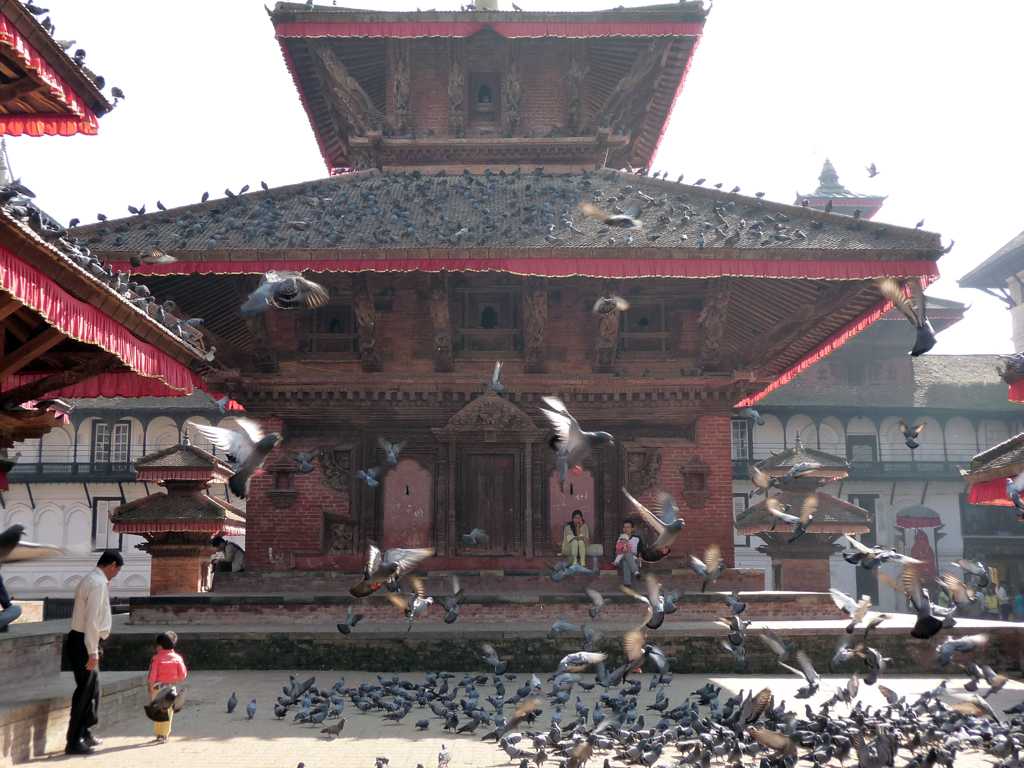
Durbar Square Tour in Kathmandu
Activity Details
kathmandu
Step into Nepal's Royal Past
Kathmandu Durbar Square, also known as Hanuman Dhoka Durbar Square, is the historic heart of Kathmandu and a UNESCO World Heritage Site. This ancient palace complex was the royal residence of the Malla and Shah kings and remains one of the most important cultural and architectural sites in Nepal.
Historical Significance
Durbar Square has been the center of Nepal's political and cultural life for centuries:
- Royal Residence: Home to kings from the 12th to 19th centuries
- Coronation Site: Where Nepali kings were traditionally crowned
- Cultural Hub: Center of festivals, ceremonies, and celebrations
- Architectural Heritage: Showcases finest Newari craftsmanship
- UNESCO Recognition: Designated World Heritage Site in 1979
Major Attractions
Hanuman Dhoka Palace Complex
The main palace building features:
- Hanuman Statue: Stone statue of the monkey god (namesake)
- Royal Courtyards: Multiple courtyards with different purposes
- Museum: Tribhuvan Museum showcasing royal artifacts
- Coronation Room: Where kings were historically crowned
- Historic Architecture: Blend of Malla and Shah period styles
Kumari Bahal (Living Goddess House)
Home to the Living Goddess Kumari:
- Kumari Residence: Where the young Kumari lives
- Beautiful Courtyard: Intricately carved wooden facade
- Kumari Appearance: Opportunity to see the Living Goddess
- Religious Significance: Important in Newari Buddhism
- Photography: Note restrictions on photographing Kumari
Taleju Temple
Impressive multi-tiered pagoda:
- Tallest Temple: Rises majestically above the square
- Restricted Access: Non-Hindus typically not allowed inside
- Architectural Masterpiece: Exemplary Newari pagoda design
- Religious Importance: Dedicated to Taleju Bhawani
- Festival Site: Important during Dashain festival
Kasthamandap
Historic building (reconstructed after 2015 earthquake):
- Legendary Origin: Said to be built from a single tree
- Community Hall: Traditional meeting place
- Architectural Style: Unique three-story structure
- Kathmandu Namesake: City may be named after this building
Other Temples and Structures
The square features numerous temples:
- Jagannath Temple: Known for erotic carvings
- Shiva-Parvati Temple: Statues of deities watching the square
- Ashok Binayak: Ganesh shrine
- Kal Bhairav: Fierce form of Shiva
- Maru Ganesh: Another Ganesh temple
- Multiple Shrines: Dozens of smaller religious structures
Architecture and Artistry
Newari Architecture
Durbar Square showcases exceptional Newari craftsmanship:
- Wooden Carvings: Intricate details on windows, doors, and struts
- Brick Construction: Traditional brickwork techniques
- Pagoda Style: Multi-tiered roof structures
- Stone Sculptures: Carved stone deities and guardians
- Metalwork: Bronze and copper decorative elements
Restoration Efforts
Following the 2015 earthquake:
- Rebuilding: Many structures under reconstruction
- Preservation: Efforts to maintain historical authenticity
- International Support: UNESCO and international aid
- Ongoing Work: Some areas may have construction
Cultural Experiences
Daily Life
Observe local activities:
- Market Vendors: Traditional shops and stalls
- Local Gatherings: People meeting and socializing
- Religious Practices: Daily worship and rituals
- Tourist Interactions: Blend of local and tourist activity
- Festival Celebrations: Major festivals celebrated here
Festivals and Events
Major celebrations include:
- Indra Jatra: Spectacular street festival (September)
- Dashain: Major Hindu festival with ceremonies
- Tihar: Festival of lights
- Gai Jatra: Cow festival (August)
- Various Religious Ceremonies: Throughout the year
Guided Tour Information
What's Included
Professional tours typically include:
- Expert Guide: Knowledgeable local guide
- Historical Context: Stories and explanations
- Access Information: Guidance on temple access
- Cultural Insights: Understanding local customs
- Photo Opportunities: Best spots for photography
Tour Duration
- Quick Tour: 1-2 hours covering highlights
- Standard Tour: 2-3 hours with detailed exploration
- Comprehensive Tour: 3-4 hours including nearby areas
- Full Day: Combined with other heritage sites
Practical Information
Opening Hours
- Square: Open 24 hours (best visited during day)
- Museums: Typically 10:30 AM - 4:00 PM
- Temples: Vary, generally open during daylight
- Kumari Bahal: Specific viewing times
Entry Fees
- SAARC Nationals: 1,000 NPR
- Foreigners: 1,500 NPR
- Tickets: Valid for multiple entries on same day
- Museums: Additional fees may apply
Best Time to Visit
- Early Morning: Fewer crowds, better light
- Late Afternoon: Good lighting, active atmosphere
- Weekdays: Less crowded than weekends
- Festival Times: Special but very crowded
What to See and Do
Must-See Attractions
- Kumari Bahal: See the Living Goddess (check viewing times)
- Taleju Temple: Admire the tallest pagoda
- Hanuman Dhoka: Explore the palace complex
- Temples: Visit various Hindu and Buddhist temples
- Architecture: Appreciate intricate carvings and details
Activities
- Photography: Capture stunning architecture
- People Watching: Observe daily life and activities
- Shopping: Browse traditional handicrafts
- Dining: Try local Newari cuisine nearby
- Cultural Learning: Understand Nepali history and culture
Photography Tips
Best Shots
- Architectural Details: Close-ups of carvings
- Temple Silhouettes: Against sky or mountains
- Daily Life: Local people and activities
- Wide Angles: Full views of the square
- Details: Intricate wood and stone work
Restrictions
- Kumari: No photography of Living Goddess
- Some Temples: Photography may be restricted inside
- Respect: Ask permission before photographing people
- Festivals: Special rules during celebrations
Cultural Etiquette
Temple Visits
- Remove Shoes: Before entering temples
- Modest Dress: Cover shoulders and knees
- Respectful Behavior: Quiet and reverent
- No Pointing: Don't point feet toward deities
- Circumambulate: Walk clockwise around stupas/temples
Interactions
- Local People: Respectful and friendly approach
- Vendors: Polite bargaining if interested
- Religious Ceremonies: Observe quietly from distance
- Children: Be mindful around local children
Nearby Attractions
Combine your visit with:
- Freak Street: Historic tourist area nearby
- Asan Tole: Traditional market square
- Indra Chowk: Another historic square
- Thamel: Tourist district (short walk)
- Other Durbar Squares: Patan and Bhaktapur
Accessibility
- Walking: Mostly flat, easy walking
- Steps: Some temples require climbing
- Crowds: Can be busy, watch your belongings
- Pavement: Uneven surfaces in places
Restoration and Preservation
Post-Earthquake Recovery
- Rebuilding: Many structures reconstructed
- Preservation: Maintaining historical authenticity
- Challenges: Balancing restoration with original design
- Progress: Ongoing work to restore full complex
Tips for Visitors
Planning
- Allow 2-3 hours for proper exploration
- Start early to avoid crowds
- Bring water and wear comfortable shoes
- Have cash for entry fees and purchases
Experience
- Take time to appreciate details
- Sit and observe daily life
- Engage with local guides for insights
- Respect the sacred nature of the site
Conclusion
Kathmandu Durbar Square is a treasure trove of Nepal's cultural and architectural heritage. From royal palaces and ancient temples to the Living Goddess and intricate Newari craftsmanship, this UNESCO World Heritage Site offers an unforgettable journey through Nepal's royal past and vibrant present. Whether you're interested in history, architecture, religion, or simply experiencing authentic Nepali culture, a visit to Durbar Square is essential. Step into this historic square and discover the heart of Kathmandu!