Kumbeshwar Temple
- Authors
Discover Patan's Oldest Temple
Kumbeshwar Temple, dedicated to Lord Shiva, is the oldest temple in Patan and one of only two five-tiered pagoda temples in Nepal (the other being Nyatapola in Bhaktapur). Built in 1392 by King Jayasthiti Malla, this magnificent temple stands as a testament to ancient Newari architecture and remains an important center of worship.
Historical Significance
The Kumbeshwar Temple holds great historical and religious importance:
- Oldest Temple: Dating back to 1392, making it the oldest temple in Patan
- Five-Tiered Pagoda: Unique architectural style, one of only two in Nepal
- Sacred Site: Important pilgrimage destination for Shiva devotees
- Cultural Heritage: Represents centuries of religious tradition
Architectural Marvel
The temple is an exceptional example of Newari pagoda architecture:
- Five-Tiered Structure: Impressive five-story pagoda design
- Intricate Wood Carvings: Beautiful carvings on windows, doors, and struts
- Stone Base: Solid stone foundation with carved guardians
- Golden Spire: Ornate pinnacle at the top
- Traditional Design: Classic Newari architectural elements
The Temple Complex
Main Temple
The main five-tiered pagoda houses a sacred Shiva lingam and is the focal point of worship. The temple's height and architectural beauty make it a prominent landmark in Patan.
Secondary Shrines
The complex includes several smaller shrines dedicated to various deities:
- Ganesh Shrine: God of beginnings and remover of obstacles
- Bhairav Shrine: Fierce form of Shiva
- Nandi Statue: Sacred bull, vehicle of Shiva
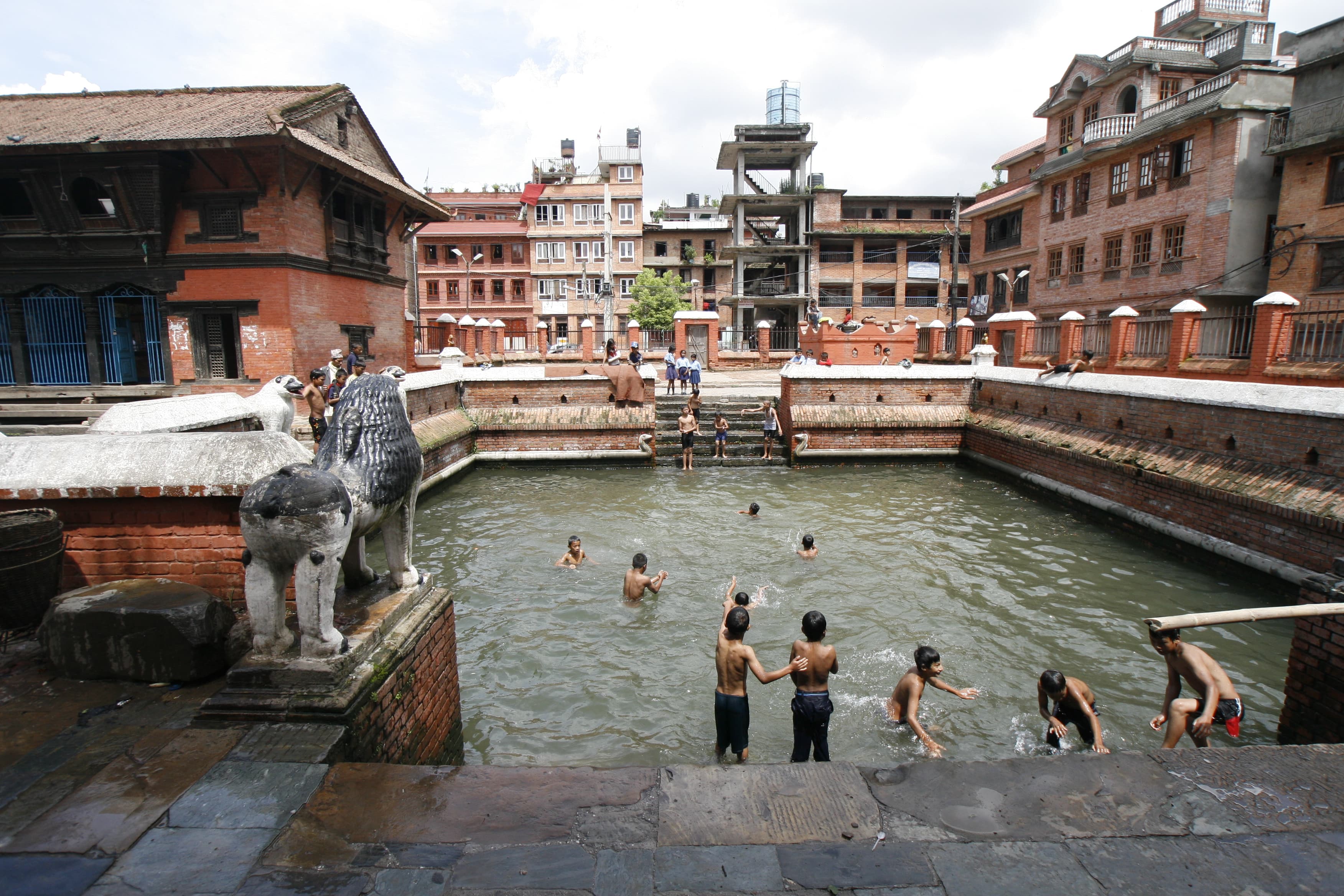
Sacred Ponds
The temple complex features two sacred ponds:
- Kumbeshwar Pokhari: Main temple pond
- Taudaha: Another sacred water body nearby
These ponds are considered holy and are used for ritual bathing, especially during festivals.
Religious Practices
Kumbeshwar Temple is an active center of worship:
- Daily Worship: Regular puja and rituals
- Festivals: Major celebrations during Shivaratri and other Shiva festivals
- Ritual Bathing: Devotees bathe in the sacred ponds
- Offerings: Traditional offerings of flowers, fruits, and incense
Festivals and Celebrations
The temple is particularly important during:
- Shivaratri: Major festival dedicated to Lord Shiva (February/March)
- Teej: Women's festival (August/September)
- Bala Chaturdashi: Special Shiva festival
- Various Pujas: Regular religious ceremonies throughout the year
Best Time to Visit
- Morning: Witness morning prayers and rituals
- Evening Aarti: Experience evening prayer ceremony
- Festival Times: Special celebrations and ceremonies
- Shivaratri: Most important festival time
Visitor Experience
When visiting Kumbeshwar Temple:
- Respectful Dress: Modest clothing required
- Remove Shoes: Before entering temple areas
- Photography: Permitted but be respectful
- Quiet Behavior: Maintain reverence
- Observe Rituals: Watch but don't disturb worship
Architectural Details
The temple showcases exceptional Newari craftsmanship:
- Wood Carvings: Intricate designs on every level
- Metalwork: Beautiful bronze and copper decorations
- Stone Sculptures: Carved guardians and deities
- Painting: Traditional artwork on walls and ceilings
Getting There
Kumbeshwar Temple is located in northern Patan, about a 10-minute walk from Patan Durbar Square. It's easily accessible:
- Walking: Pleasant walk through traditional neighborhoods
- Taxi: Direct access available
- Local Transport: Buses and rickshaws nearby
Photography Tips
- Architectural Details: Focus on the five-tiered structure
- Carvings: Capture intricate wood work
- Rituals: Photograph ceremonies (with permission)
- Context: Include surrounding traditional buildings
Cultural Significance
The temple represents the deep religious traditions of Patan and the Newari community. It serves as both a place of worship and a cultural landmark, preserving centuries of architectural and religious heritage.
Visit the ancient Kumbeshwar Temple with HolidayKosh and experience one of Nepal's oldest and most magnificent temples.